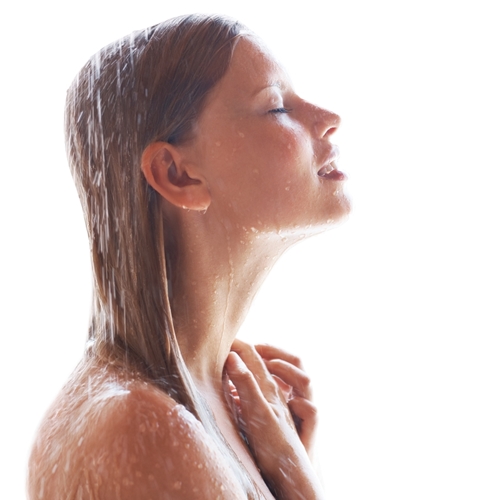
As chemists and researchers are well aware, chemistry is all around us. From the plastics used in our computer parts to the food we buy at the grocery store, chemicals and chemistry are critical parts of modern daily life. One way that chemicals are used in everyday life is in body wash. This liquid shower soap has replaced the bar for many younger users. Although some chemists may know the basics of soap, the chemistry of body wash is interesting, whether you use it or not.
Where did body wash come from?
Body wash is a personal care product that has become increasingly popular in the last few years. Although people have been using chemicals and natural elements to wash themselves for thousands of years, body wash most directly traces its history to the late 1800s.
In 1865, liquid soap was patented by William Shepphard. Despite this patent, it did not rise to popularity until later, when B.J. Johnson started selling Palmolive liquid soap in 1898. It became so popular that he was forced to rename his company, B.J. Johnson Soap Company, Palmolive.
From Palmolive, a number of other soaps, washes and gels developed throughout the 20th century. Many had specific ingredients tailored to tasks, such as a gentler body wash or a harsher floor cleaner.
What is in body wash?
Because body washes are designed for similar purposes as traditional soap – to remove dirt and odor – their chemicals properties are not so different.
Body washes are usually fairly viscous liquids with a pH between 6 and 7. Surfactants are a critical aspect of body washes because they combine lipophilic and hydrophilic. These fat- and water-soluble ingredients combine to make a mixture that can get rid of the dirt and oils that build up on a person's skin. Ammonium lauryl sulfate and sodium laureth sulfate are two common anionic surfactants that foam and reduce the freezing temperature of the mixture, according to biochemist Gary Neudahl, who wrote on the website Chemists Corner. Alkyl glucosides, taurates and sulfosuccinates are also becoming more common primary surfactants in body wash.
Among surfactants, there are primary and secondary types typically used in a body wash. Combined they can make up about 28 percent of the personal care product. The primary surfactants work to clean the skin. They foam up and cover a large surface, but secondary surfactants are used to reduce discomfort and skin irritation throughout the process, Neudahl explained.
Although surfactants are the most important chemicals used in body washes, from a cleaning perspective there are several others that are significant to their use.
Formaldehyde donors are typically used as inexpensive preservatives. Diethanolamine and other emulsifiers are used to prevent the separation of the various chemicals and ingredients. Biocide chemicals can be used to add an antibacterial aspect to the soap. Many other body wash ingredients have to do with color, scent or specialty features such as suspended beads.
Body washes are a major aspect of many people's daily lives, so it is a good idea to acquaint yourself with the chemicals and chemical types that they use to get people clean.