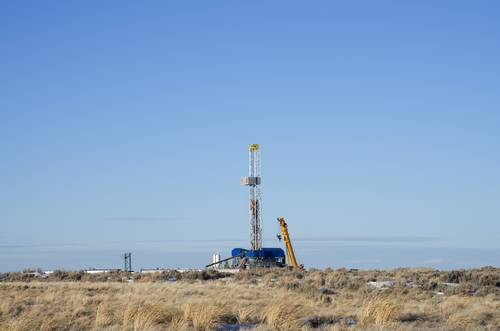
Fracking is an abbreviated phrase describing the process of hydraulic fracturing, which uses water and other chemicals to extract natural gas out of shale rock. Although fracking and the modern technology used have proven very successful for energy extraction, many residents of nearby areas and nature conservationists have questioned the methods and the toxicity of the chemicals that are part of the fracking fluid.
A series of recent studies and articles have explored what the chemicals used may mean and what the unknown substances could still tell us about human and environmental health. Whether you work on environmental research, petrochemical engineering or you are just curious, check out some of the new studies about fracking chemicals.
American Chemical Society
Presented at the 248th National Meeting & Exposition of the American Chemical Society in San Francisco, new research explained that about one-third of the 200 chemicals used in fracking fluid are unknown quantities. Little research has been done on them. Additionally, eight that are known have been shown to be toxic to mammals.
William Stringfellow, Ph.D., who led a team of researchers from Lawrence Berkeley National Laboratory and University of the Pacific, said that industrial advocates discuss how many of their chemicals are food grade and potentially safe. But he explained that they are not necessarily properly treated before going back into the environment and some are not safe at all.
"There are a number of chemicals, like corrosion inhibitors and biocides in particular, that are being used in reasonably high concentrations that potentially could have adverse effects," Stringfellow said. "Biocides, for example, are designed to kill bacteria – it's not a benign material."
A Newsweek article discussed the research in depth, noting that some chemicals are hidden from the public and researchers in order for companies to maintain a competitive advantage.
Frontiers in Ecology and the Environment
An August 2014 study from Sara Souther, a conservation fellow in the Department of Botany at the University of Wisconsin-Madison, published in the journal Frontiers in Ecology and the Environment also called for more oversight on fracking fluid. Not only did she point to the need for more public knowledge about the chemicals used, Souther asked for more answers when it came to spills and accidents, which are not required to be reported in many states.
"We know very little about how shale gas production is affecting plants and wildlife," Souther said. "And in particular, there is a lack of accessible and reliable information on spills, wastewater disposal and the chemistry of fracturing fluids. Of the 24 U.S. states with active shale gas reservoirs, only five maintain public records of spills and accidents."
Of the 150 wells Souther examined as part of the study, she found two-thirds had at least one chemical used that was not disclosed.
Southeastern Naturalist
A study of a 2007 fracking fluid spill in Kentucky done by the U.S. Geological Survey and the U.S. Fish and Wildlife Service examined the impact that the incident had on the blackside dace population. Published in the journal Southeastern Naturalist, the study found that the chemical spill led to widespread fish death.
The oil and gas company that was responsible for the spill, Nami Resources Company, LLC, pleaded guilty and was fined $50,000. Hydrochloric acid and a number of other chemicals were found in the spill. The acid is used to dissolve rock and help clear out the previously made fractures, the U.S. Fish and Wildlife Service explained.
These studies underline the importance of proper use, storage, disposal and understanding when it comes to fracking fluid, which likely will continue to be an important tool moving forward.