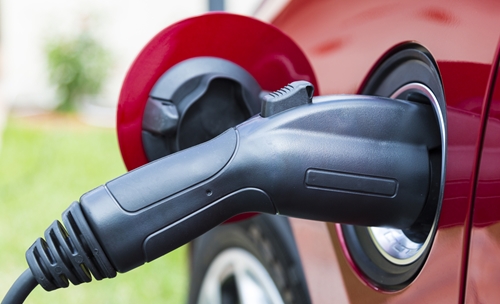
The simple act of refilling a car's tank of gas is so easy to take for granted that people often do not notice the tiny droplets of gasoline that leave the spout as it moves between tank and pump. If they do notice, they may not think anything of it because a few droplets may not look like a major environmental hazard, especially not when compared to a major spill.
However, research from the Johns Hopkins Bloomberg School of Public Health asserts that these tiny spills may be more dangerous than people believe because of the possibility that chemical compounds, such as benzene, can penetrate concrete and contaminate local water and soil resources, as published in the Journal of Contaminant Hydrology.
Gas stations are set to expand
According to the U.S. Environmental Protection Agency, benzene is a natural component of crude oil, gasoline and cigarette smoke that is highly flammable. It is also a Group A human carcinogen. Short-term dangers of inhaling benzene include drowsiness, headaches, respiratory tract irritation and, in severe cases, unconsciousness. Chronic inhalation of benzene increases the risk of smaller red blood cell counts, aplastic anemia and leukemia.
In an effort to protect underground water sources, gas stations pay a lot of attention to the gasoline storage tanks below the ground surface. However, the authors of the new study suggested it is also important to mind the tiny spills that occur at the pumps. They suggest that the concrete pads surrounding the pumps can accumulate 1,500 liters of spills over the course of a decade.
With the help of mathematical models, the researchers simulated what portions of gasoline spills evaporate and what stays behind to seep through pervious concrete. Results showed that the tiny droplets of gasoline spills are more hazardous to groundwater and soil than people may think. Contamination of ground water is a major problem for any residents near the gas station who depend on these sources.
The researchers conclusions may be even more alarming in light of the fact that newly erected gas stations tend to be larger and include more pumps than businesses in the past.
"The environmental and public health impacts of chronic gasoline spills are poorly understood," study co-author Patrick Breysse, Ph.D., a professor in the Department of Environmental Health Sciences at Johns Hopkins, said in a statement. "Chronic gasoline spills could well become significant public health issues since the gas station industry is currently trending away from small-scale service stations that typically dispense around 100,000 gallons per month to high-volume retailers that dispense more than 10 times this amount."
Fellow co-author Markus Hilpert, Ph.D., observed that, in light of this study, gas stations need to be more conscientious about preventing rainwater from flowing over the concrete pads that surround the gasoline pumps. This process would increase the likelihood that storm runoff carries benzene and other chemical compounds through the soil, groundwater and local surface water sources, such as lakes and rivers.