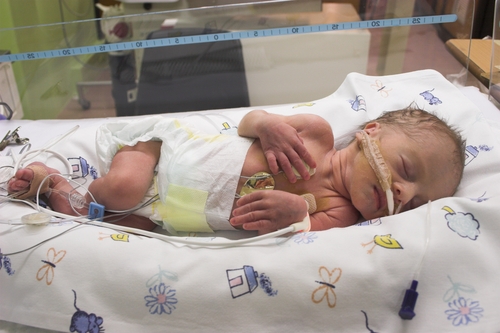
Any baby that is born before the 37th week of gestation is considered to be premature. These infants tend not to be as developed as babies from full-term pregnancies, and are at major risk for both short-term and long-term health complications. It is very common for these children to require hospitalization after being born. Once they are placed in the neonatal intensive care unit, they are housed in incubators and connected to various machines that are all designed to keep them safe, warm and healthy as they struggle to thrive.
However, the chemical compounds used during the manufacturing of these devices may actually have harmful effects, according to scientists from the Johns Hopkins University Bloomberg School of Public Health. Specifically, the di(2-ethylhexyl) phthalate may potentially cause inflammation and other negative reactions, as published in the Journal of Perinatology.
What is DEHP?
The U.S. Environmental Protection Agency defines DEHP as a plasticizer used in the manufacturing of polyvinylchloride and other products, such as cellulose, rubber and styrene. Essentially, DEHP makes these products more flexible.
As a phthalate, DEHP has the potential to disrupt the endocrine system and cause inflammation to the liver, brain, eyes and lungs, which is why municipal water companies make an effort to monitor levels of this substance in drinking supplies. According to the EPA, the maximum contaminant level of DEHP in drinking water is 6 parts per billion. The most likely source of water contamination is discharge from rubber or chemical factories. Water treatment plants may use granular activated carbon to remove excessive DEHP from drinking supplies.
'They're struggling to survive'
According to the March of Dimes, the list of long-term health complications that may develop among premature newborns includes apnea, respiratory distress syndrome, jaundice, anemia, necrotizing enterocolitis, bronchopulmonary dysplasia and infections. In the short term, it is crucial that doctors and parents make sure these babies stay warm and gain between 1/2 and 1 ounce per day to become strong.
Considering much of the medical equipment in the NICU – catheters, intravenous tubing, endotracheal tubes, fluid and blood bags – is made with DEHP, the authors of the new study analyzed potential phthalate exposure levels for premature infants. They discovered that the daily exposure to DEHP for infants weighing about 2 kilograms in the NICU was 16 milligrams per kilogram a day. Most of this exposure was attributable to blood products and ventilation tubes. These levels are considered 4,000 times higher than the threshold for potential male reproductive toxicity, and about 160,000 times higher than the threshold for liver damage.
The researchers also observed that premature infants who do not need a ventilator often fare better than those who do. They suggested that DEHP exposure may have something to do with this observation.
"We were floored by how high the exposures are when you look at all the devices together," co-investigator Mary Fox, Ph.D., MPH, said in a statement. "It's a population that we know is vulnerable to begin with. They're struggling to survive. And the concern now is whether this phthalate exposure is actually contributing to their problems when these medical products are supposed to be helping them get better."
Fox and her colleagues suggested that hospitals need to start replacing DEHP-containing products in the NICU with items made of alternative materials. Additionally, hospital managers need to address DEHP exposure from sources such as vinyl flooring and paints, and the cosmetics used by either the medical care team or visitors, including lotions, soaps and powders.