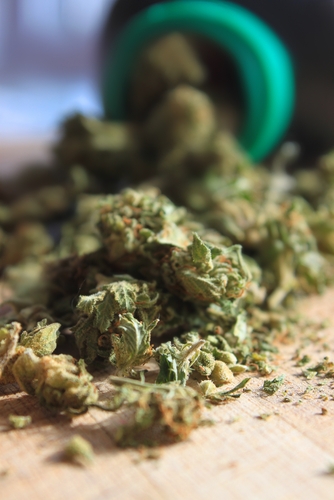
Sales on some types of marijuana have been halted by Colorado authorities over fears that pesticides were not used as directed, according to The Denver Post. This pause on selling only affects plants from these six facilities, which only make up a small number of sales from Denver, which has 366 other grow facilities.
Firefighters noticed that the pesticides were being used indoors on the plants and notified the Department of Environmental Health, which prevented these specific plants from being sold at this time. The Colorado Department of Agriculture will conduct tests on the plants to see how severely they were affected and whether the plants can be sold.
City spokesman Dan Rowland told the Post that based off the pesticides' label, there shouldn't have been confusion.
"There (is) clear language on the labels to guide their usage, saying it's not for indoor use, or that the product isn't intended to be used on items grown for human consumption – like marijuana," Rowland told the paper.
Understanding Colorado's marijuana laws
This misuse of pesticides is likely to only affect a select few growers in Colorado, but it could impact more if others are following similar practices. This underscores the importance of proper pesticide use in the emerging field of legal marijuana cultivation in Colorado.
The state passed amendment 64 in late 2012, which made it legal for people older than 21 to buy marijuana at licensed retailers. The law has also put in a number of limitations to control marijuana use, such as limiting the amount a state resident can buy to 1 ounce and not allowing driving under the influence or across state lines with marijuana.
In addition to letting people buy the drug, the law has also paved the way for many to grow marijuana, whether at home or commercially. Any adult in Colorado is permitted to grow 6 marijuana plants in their own home, but there can be no more than 12 plants in a home at any one time. In Denver, all plants must be grown in a closed and locked area, whether inside or outdoors.
Commercial growers have different, but similarly strict regulations. Many commercial growers have been in business since the state allowed medical marijuana usage and now supply retailers rather than medical dispensaries.
With more people growing commercial marijuana to meet the increased demand, and others growing their own for personal use, understanding the proper way to maintain marijuana with pesticides is critical. Here are a few tips that growers or potential farmers should be aware of when it comes to keeping pests at bay with chemical pesticides.

Using pesticides on marijuana
Marijuana is like every other crop. It has a number of pests ranging from insects and fungi to plants and diseases that can ruin a farmer's yield. Make sure understand some of the most common threats and how they can be stopped.
Caterpillars, budworms, spider mites, thrips, aphids, fungus gnats, slugs and whiteflies are some of the most dangerous insects to marijuana crops. These are particular dangers for outdoor, largescale farms.
For indoor plants, as well as outdoor farmed marijuana, gray mold, green algae, downy mildew, root rot, powdery mildew, and streak or mosaic viruses put your marijuana crop at risk. These molds, diseases and plants can damage or kill your plants in a relatively short time.
Sometimes environmental changes can be installed to make it more difficult for these pests to have a significant impact on the crop, such as using air filters, ensuring the area is dry and bolstering security. But for the peskiest pests, the best option is safe, specially made chemical pesticides.
Pesticides made with copper, sulfur or bicarbonate of soda can be effective against certain types of mold or mildew. AzaMax, Floramite, SM-90 and Aquashield are all pesticides that can be applied to either the plant or the roots to help treat some of these common diseases. Made with various chemicals, each can be effective in different situations.
Make sure you follow the law and best practice when it comes to using pesticides on marijuana. You don't want to treat the crop with chemicals directly at certain stages of flowering. If you don't follow the best practice you can end up delivering pesticides directly to users and losing crops, like the growers in Denver.