A recently published study in the journal Human Reproduction underscores the importance of proper pesticide use in relation to farming and knowledge about the food you're putting into your body. The report, conducted by Harvard School of Public Health researchers among others, found that pesticide residues in certain foods can reduce the fertility of the men who consume them.
Lower fertility with consumption of high residue produce
The report used information that was collected as part of the ongoing Environment and Reproductive Health or EARTH Study. The researchers collected sperm samples over the course of 18 months, using computer models for analysis. They monitored the diet of the subjects over the same period.
In the end they concluded that the amount of pesticide residues in certain foods had an impact.
"Consumption of fruits and vegetables with high levels of pesticide residues was associated with a lower total sperm count and a lower percentage of morphologically normal sperm among men presenting to a fertility clinic," the report's summary of answers explained.
A "high-residue" food was defined using the U.S. Department of Agriculture Pesticide Data Program's guidelines. People who had high-residue food rather than low-to-moderate-residue foods had a 49 percent lower sperm count and 32% fewer normally shaped sperm.
Time magazine reported that researchers concluded that a combination of pesticides is most likely the cause of this fertility drop, rather than one single chemical compound. Although, they listed no specific pesticides.
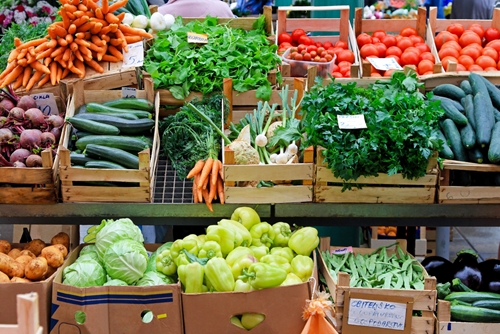
As far as the foods that are most at risk of having a high residue, produce was scored by how many pesticides were detected and by how much the exceeded the Environmental Protection Agency established tolerances, Time explained. Bell peppers, spinach, strawberries and celery all ranked the highest with a score of 6 each. Blueberries, potatoes, peaches, plums, apples, pear, squash, kale and grapes are all also high-residue for the purposes of this study, the magazine explained.
Safe pesticide use
Time magazine noted that this study wasn't the first to tie pesticides to lower fertility. It pointed to a study that appeared in the journal Environmental Health Perspectives in 2012 that found farm workers and other who were exposed to pesticides as well now-banned pollutants had more trouble conceiving than other people. Some were exposed to these pesticides through meat or fish, when residues persisted in the environment longer than optimal.
Both of these studies outline the importance of using pesticides safely and as directed, both to protect yourself, nearby farmers and potential consumers for fertility complications. Here are a few safety tips for you and who ever eats the crop:
- Know your chemical and its guidelines – Reading the label is important, but if you're using malathion or carbaryl, you should be aware of its concentration, its chemical structure and the unique challenges it poses to you and your crop. Responsible pesticide use requires learning. The better you understand the chemicals you're using, the less likely it is that you'll misuse your adjuvants or overapply the chemical, which could lead to higher residues.
- Wear safety gear every time – Whether it's goggles, a respirator or gloves, wearing the proper clothing for every application – big or small – is critical to maintaining safety throughout the year. Also, ensure you're using the right applicator method.
- Be prepared for spills – In any field or lab, spills are a realistic danger. Be ready to deal with a minor or major pesticide spill at a moment's notice to minimize its impact on your crops and the surrounding environment.
- Store chemicals correctly – Spills and accidents don't just happen during application, they can occur at anytime. Store your chemicals exactly as directed to avoid combustion, leaks and any number of other danger exposures to these chemicals which could hurt you and your crops. This is even more important to keep in mind when you're transporting pesticides.
- Clean your hands and your food – To reduce exposure to pesticides, make sure you keep your hands and any produce you eat thoroughly clean. Not only may certain chemicals impact your fertility, they can also be toxic if directly exposed.
If you're concerned with chemical residues on your crops, talk to your chemical provider or environmental experts about which pesticides may work better for you.