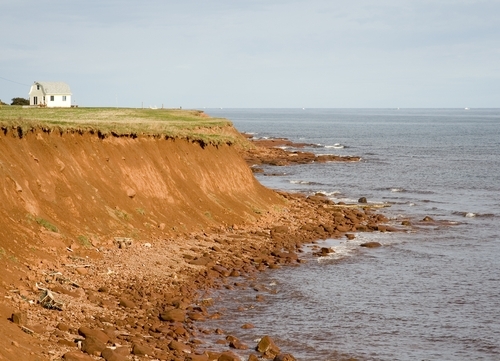
These days, pesticides have somewhat of a bad reputation. They are linked to killing bees, getting contaminating water supplies and making animals and people sick. However, they aren't connected to cancer, according to a study based on Price Edward Island.
The report showed that all pesticides used in PEI don't have any connection to four different types of cancer on the island. The report was released by the Department of Health and Wellness, according to The Guardian.
An interesting result
Naturally, like so many other regions of the country, there have been several arguments made against the pesticides used to grow crops in PEI. However, the report revealed that if the island chose to remove all of the pesticides farmers used, there still would be no effect on environment and subsequent dangers that came from it. For PEI, it seems as though the pesticides are not causing large-scale harm.
"Pesticides used in P.E.I. do not pose a significant public health risk when used according to Health Canada's usage and safety precaution labeling," noted the report that was posted on the department's website. "The Chief Public Health Office will continue to monitor ongoing research in this area."
Yet the lengthy report, that was about 300 pages in total, also did not completely rule out the dangers associated with pesticides. They noted that it may still be associated with health risks and even certain types of cancers, including bone marrow cancer and cancers in the blood. However, the island's pesticides seemed to have no effect on the four most common cancers found on PEI: lung cancer, breast cancer, colorectal cancer and prostate cancer.
However, the researchers noted that if other health risks were eliminated, like smoking for example, cancer rates would significantly drop. For instance, if smoking was banned on the island, the rates of lung cancer would drop by approximately 82 percent for males and 55 percent for females.
Other health conditions, including Parkinson's disease and types of skin cancer such as melanoma would be affected very little if agricultural pesticides were eliminated from farms and country sides.
Pesticides and PEI
This is not the first time pesticides have made headlines about health in PEI. Since pesticides were introduced to this small island off of Canada, several residents, visitors and even government officials have complained about the rise in popularity for using these dangerous chemicals. As a result of the uproar, several pesticides used to eliminate pests and weeds have been banned. Other pesticides used on farms, golf courses and even lawns have also come into question in recent years as residents and policymakers push to eliminate them and increase fines for their usage.
Out of all of the provinces in Canada, PEI has one of the most comprehensive laws regarding pesticide use, regulation and bans. Yet according to Environment Canada, there may be good reason for this legislation as PEI is the most intensively sprayed province in the country. In the past, activists have used data on cancer, the number of fish deaths and even negative press from other regions to push for legislation and harsher rules on pesticide use. However, the problem still remains and residents are still very concerned.
The main reason why PEI uses with so many pesticides is because of its agriculture industry. One of the most profitable crops for this small island is the potato. However, potatoes need protection from something known as a blight spores that grow on the leaves and cause the plant to rot. Farmers will coat the leaves in pesticides to help protect them. Potato fields are sprayed more than 20 times each summer, when the weather is hot and humid – and environment ideal for spore growth. The pesticides will get into the soil because of rain and into the air via wind, causing the pesticides to carry through the air and infiltrate local homes, neighborhoods and even schools and day cares.