Nothing has weighed on the European geopolitical situation – and that of much of the world, albeit less directly so – quite as much as the impending separation of the U.K. from the European Union. Since the Brexit public referendum vote that saw the "Leave" campaign win by a fairly narrow margin of 51.9 percent in 2016, many politicians, business leaders, trade groups and citizens have not been shy about voicing their opinions on the issue. Views outside of those held by Leave partisans have often been fairly negative.
Recently, the British chemical compounds industry added its voice to the chorus of Brexit-related trepidation for the future. Many within this field believe that separating from the various trade agreements set up by the EU will ultimately harm chemical producers by leading to a broad variety of supply chain issues, and there also exist concerns about the regulatory framework (or lack thereof) that this shake-up will establish. Losing revenue from the U.K. could have its own adverse effects on the EU chemical production market, as well: Due to factors including the global recession, EU chemical producers have struggled to keep up with global demand since the early 2010s, as explained by a report from the European Chemical Industry Council.
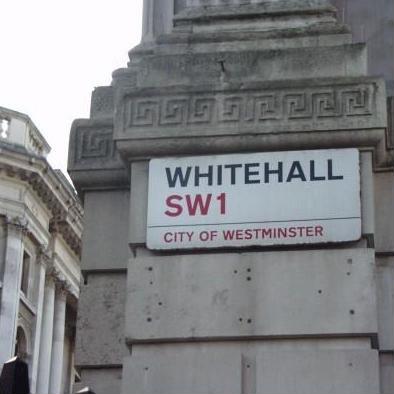
Whitehall report cites registration delays, other issues facilitated by Brexit
Responsibility for examining the policy tenets and direct administration of the U.K. exit from the EU falls to the Department for Exiting the European Union. That agency in turn undergoes the scrutiny of the Exiting the EU Committee, a group of Ministers to Parliament from the British legislature's lower body, the House of Commons. According to BBC News, the Whitehall committee's latest paper found that U.K. chemical producers' dependence on EU supply chains would make them open to a number of shortfalls, ultimately bringing about drops in revenue. Tariffs and trade disputes could also occur.
This risk raised alarms among groups like Open Britain, which wants the U.K. to maintain good relationships with the EU despite not being a part of the customs union anymore. In an interview with the BBC, Mary Creagh, an MP who supports the organization, elaborated on the problems that might result.
"Tariffs would be a burden, but it is non-tariff barriers that threaten to do the most damage," Creagh told the news provider. "If [Brexit secretary] David Davis signs up to any deal that imposes regulatory customs barriers on the British chemical industry he will be putting 500,000 direct and indirect jobs in jeopardy, along with billions of pounds of investment."
Additionally, chemicals sold in the EU must be registered and monitored by the customs union. For a country like the U.K. that wishes to maintain detente with the EU, newly created substances would require the registration of both governments, creating additional costs that infringe upon other capital needs. Prime Minister Theresa May, a proponent of the Leave campaign and now of Brexit, has stated a desire to keep the U.K. involved in any departments beneficial to the nation's prominent industries – one of which would be the European Chemical Agency, which fulfills functions similar to the Environmental Protection Agency in the U.S. Yet it remains unclear how many benefits Britain can receive from deals with the EU as a nation apart from the group.
Industry leaders mostly negative regarding Brexit
On March 27, Chemical Watch released the results of its first Brexit survey, speaking with 254 individuals employed within various segments of the British chemical industry: Nearly half – 48 percent – were from the manufacturing side of things, and formulators, distributors and businesses heavily reliant on chemical production also took part. Their responses hold few positives for the pro-Brexit crowd.
Eighty percent of the questionnaire's respondents said they were "very or fairly concerned" with the prospect of Brexit finally occurring in early 2019, as currently scheduled, with only 9 percent saying they felt positively about the partition. Most are in favor of the U.K. somehow keeping its regulatory standards in concert with those of the EU, with 70 percent believing this will be of considerable importance for their future growth.
Additionally, more than half of the survey's respondents stated that Brexit would have a "probably" or "definitely" negative effect on the safety of manufactured chemicals, with 36 percent choosing the former and 15 percent opting for the latter. A considerable number of U.K.-based chemical businesses said the separation might even drive them to move their operations to Europe to keep reaping the benefits of EU trade protections and regulatory oversight.