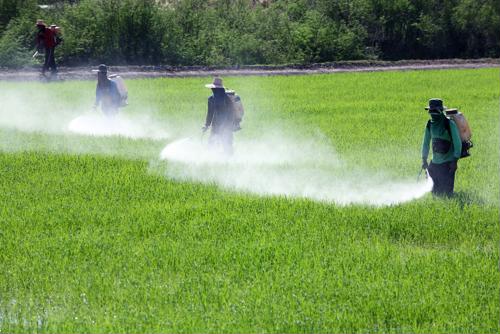
Cannabis farmers in the United States may have a serious chemical problem to contend with–pesticides. Right now, there aren't any federal regulations on pesticide use in cannabis farming, and laws and use can vary widely by state. Some groups are calling for explicit restriction and regulation of pesticides used by commercial growing operations. Marijuana still isn't fully legal at the federal level, and it's possible pesticide regulations won't be added until these laws are amended.
Typically, there are two ways pesticides commonly reach crops. Marijuana farms may use pesticides themselves or grow using contaminated soil, or contamination can occur from a nearby farm's pesticides reaching the crop. Some states restrict the pesticides that farmers can use on their own operations. They may also restrict other farmers' use of certain pest control chemicals near local cannabis farms.
With more people consuming cannabis from commercial operations, there could be more exposure to pesticides. This is why many states choose to regulate pesticide use on or near marijuana growth.
States Investigating Pesticide Complaints
So far, complaints of pesticide contamination at cannabis farms are often investigated at the state level. Here's how a few of the states where cannabis is grown are handling the pesticides issue.
The Oregon Department of Agriculture, for instance, has investigated 11 cases of pesticides potentially contaminating marijuana crops as of January 2019. In these cases, any pesticides present in the cannabis are generally expected to be caused by drift from other farms. Reportedly, farmers are increasingly concerned that the pesticides they use for their own crops will somehow end up impacting marijuana grown nearby. Cannabis farmers can file cases in civil court and sue other farmers for damages caused by pesticides that reach their marijuana plants. The state can penalize farms that have repeated reports filed against them for pesticide use.
In Washington, the Washington State Department of Agriculture has a list of pesticides that meet state criteria for use with cannabis crops. Since the state regulates how pesticides and fertilizers are used in growing marijuana commercially, growers must generally restrict their own use of chemicals in pest management.
Researchers Recommend Adopting National Pesticide Standards
At Purdue University, researchers have recommendations for dealing with pesticides and industrial hemp. Hemp is a cannabis crop legalized in 2018 for commercial growth in the United States–hemp itself isn't the same as the cannabis that contains levels of THC high enough to have psychoactive effects. While many cannabis types are still technically illegal at a federal level, hemp is now legal and is expected to have significant commercial possibilities for farmers. Right now, the use of pesticides by hemp farmers could present serious problems, as these researchers claim in a recent report.
To address the problem, they reportedly recommend that cannabis farmers educate themselves about pesticide use. This includes learning about how to manage pests without using chemicals that could be harmful or result in environmental contamination. Hemp farmers who have limited experience with agricultural pest control or who haven't thoroughly researched their options may experience challenges keeping their crops clean for use.
In some cases, farmers are finding their cannabis contains pesticides at hundreds or even thousands of times the acceptable level of contamination for other crops. And because Federal agencies such as the USDA aren't involved in regulating cannabis production, there are fewer opportunities for cannabis farmers to learn about pesticide options.
Pesticide Awareness
Greater awareness of pesticide use and potential contamination may eventually motivate the public to push for change, or may encourage associations of growers to set their own guidelines in places where specific regulations are currently limited. Greater self-regulation by growers may be the first step. Farmers can take pesticide regulation into their own hands by testing their own products and doing what they can to protect their crops.