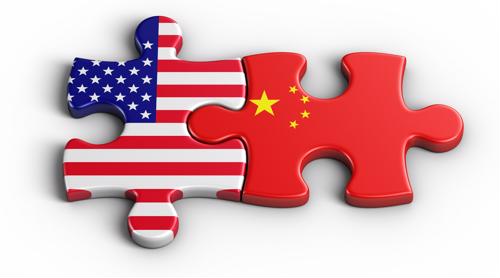
The United States is now heavily entrenched in what, by most definitions, can be considered a trade war with China. The sparring over tariffs between the world's two largest economies has many widespread effects in both countries and beyond, and one of the industries most impacted in the U.S. is chemical manufacturing.
China recently announced it would raise tariffs by a total of about $60 billion on certain imports from the U.S., beginning on June 1, according to USA Today. Duties on about 5,000 different items will rise from between 5% and 10% to as much as 25%, and that may effectively end a lot of U.S. exports to China until a change comes at some point in the indeterminate future. The added cost for the chemical manufacturing industry will likely add up to $7.9 billion, and is expected to dramatically curtail such trade.
Currently, China is the third-largest importer of U.S.-made chemicals in the world, and the slowdown from the trade war has been felt already, the report said. In both 2016 and 2017, American growth in the chemical trade across the Pacific surged past 10% per year, but in 2018 it took a step back to just 2.7%, and that is expected to further decline this year, at least as long as the new higher tariffs remain in place. They were enacted as a consequence of the Trump administration raising tariffs on Chinese imports on this side of the international date line by some $200 billion.
"Effectively, that market (China) is closed to U.S. exporters," Ed Brzytwa, director of trade for the American Chemistry Council, told the newspaper.
Significant opposition
As one might expect, few in the chemical manufacturing sector are happy about either side of the trade war, according to Plastics News. Both the American Chemistry Council and the National Association of Manufacturers have lobbied in favor of a resolution as soon as possible. For all involved, supply chains are being disrupted and the American trade deficit between the countries for chemicals alone has risen from $1.4 billion to $4 billion in short order already.
Specialty chemical manufacturers are expected to be one of the hardest-hit corners of the industry, because even as they have enjoyed significant growth in recent years, they are also a little more precarious, the report said. This is because such companies rely heavily on imports of so-called "building-block chemicals" to produce their own products, and often China is the only country from which those chemicals are available.
A bad bounce
Those in the industry note that chemical orders from China all but ground to a halt in December, hinting at the potential devastation of a longer-term stoppage, according to ICIS. But in the first quarter of the year, exports began once again and companies were expecting a stronger second quarter. With the new Chinese tariffs going into effect on June 1, that could portend a dour end to that three-month period and even bigger issues in the second half of the year writ large.
Certainly these are all problems for those in chemical manufacturing to monitor closely as time goes on, because even small changes in the trade war could end up having a major impact on their bottom lines.