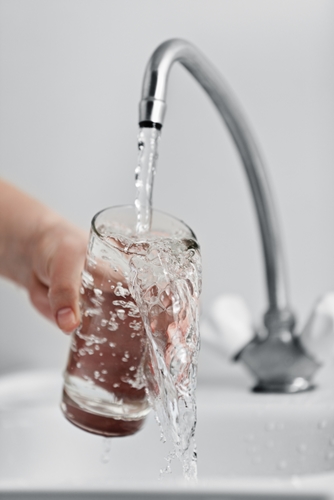
Tap water ranges in quality depending on where you are in the world. Some places, such as New York City, like their tap water so much that they bottled it and sold it to other communities. Other places have water that tastes bad, is too full of minerals or even contains harmful materials and chemicals. But it is not always clear where these differences lie. Not all contaminated water is relegated to third-world nations and modern communities do not necessarily have the healthiest water. Despite safety protocols, sometimes chemicals can still be found in a variety of water sources.
Guidelines for safe water at home and abroad
Chemicals play a significant role in modern society. From manufacturing to crop production, pesticides, phthalates and other chemicals have made their way into the water table. This has led international bodies, like the World Health Organization, and domestic organizations, like the Environmental Protection Agency, to create standards that drinking water must meet. The WHO outlined which chemicals may be found in drinking water, where it came from and what it could do. This can help communities across the world test their drinking supply regularly to determine whether or not it is healthy for consumption. This may be particularly important to people living near manufacturing centers that have lax environmental regulation.
In the U.S., the EPA has created similar safe limits for a number of organic and inorganic chemicals including benzene, epichlorohydrin, toxaphene, lead, copper and fluoride. For example, the EPA explained that the recommended level of pentachlorophenol – a chemical used in wood preservation – in water is zero. The maximum amount that is allowed is 0.001 parts per million because this chemical increases the risk of cancer, and causes liver and kidney problems.
Chemicals sneaking into drinking water
Despite these specific guidelines for safe drinking water, dangerous chemicals can still be found in tap water. At the Society of Environmental Toxicology and Chemistry's annual meeting in November 2013, initial findings were released by the U.S. Geological Survey about a study it completed on a number of U.S. drinking water sources. The unpublished findings pointed to 18 chemicals found in one-third of the samples tested that were not regulated by the EPA. These chemical compounds included strontium, metolachlor, perfluorooctane sulphonate anion and perfluorooctanoic acid among others. Some of these chemicals are suspected to come from nearby manufacturers and may be tied to negative health consequences. The EPA may add some of these contaminates to its standards.
Regardless of drinking water guidelines, there is the possibility that harmful chemicals not yet tested for may be in the water. This underscores the importance of testing for pesticides and other chemicals when regulating drinking water either publicly or privately.