What is Lanolin and Where is it Extracted?
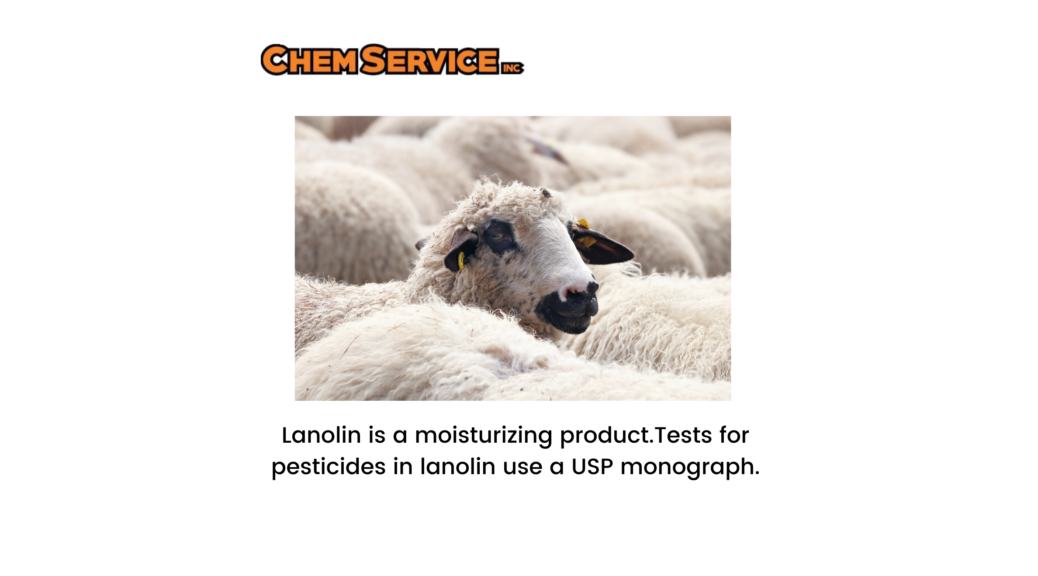
The history of lanolin dates back thousands of years to the ancient Greeks who first discovered that the water used to wash wool contained a valuable oil-like substance, called lanolin. This oil is derived from sheep’s skin that it meant to condition and guard their wool from outside elements. Lanolin is extracted by putting sheep’s wool through a centrifuge machine that separates the oil from other chemicals, debris, and allergens. This process is performed after the sheep is sheered so it causes no harm to sheep.
Lanolin is an amber or yellow-colored occlusive, or protective layer, moisturizer with conditioning properties and is widely found in common human cosmetics, skincare and hair care products used every day.
Is Lanolin an Alcohol?
There are two common forms of this oil: lanolin and lanolin alcohol. Though “alcohol” is in the name, this ingredient is not a skin sensitizer. Instead, it’s a fatty alcohol that can greatly benefit dry skin as it forms a protective layer on the surface of your skin to defend against moisture loss.
How is Lanolin Used?
Lanolin is extremely hydrating and has the ability to soften skin, improve the appearance and the feel of minor skin irritations as well as rough, dry, or flaky areas caused by the loss of moisture in the upper layers of the skin. It can be found in moisturizing products that you may already be utilizing on a daily basis such as lip balms, eye creams, sunscreens, and lotions for its moisture-locking abilities. According to a 2017 study by the National Institute of Health, lanolin can even reduce water lost through the skin by 20 – 30 percent.
Why is the Lanolin Market Booming Worldwide?
As the demand for personal care, cosmetic and non-toxic, chemical-free products, such as in the baby and pharmaceutical industries, increases so does the demand for lanolin. Local governments are supporting the development of this market through monetary funds and tax exemptions and private companies are increasing potential utilization of this oil through new ingredient development, private labels, and product launches. Based on these initiatives, the global lanolin market is projected to reach $334 million by 2025, according to a report by Grand View Research.
What Processes are used to Reduce Allergies in Lanolin?
As the market increases, purifying methods are used at an even larger scale for the production of hypoallergenic lanolin. The goal is to reduce the free fatty alcohol, pesticides and detergent content while leaving the lanolin chemically unchanged.
A centrifuge, or machine with rapidly rotating container that applies centrifugal force to its contents separates the liquids and solids of different densities, is the preferred modern method of extracting unwanted chemicals and allergens. Once separated, a test built from a USP monograph is used to analyze the amounts of any potential pesticides and unwanted ingredients.
What is a USP Monograph Test and How is it used in Pharmacopeia?
A USP (United States Pharmacopeia) monograph is a type of quality standard for prescription medicines utilized in more than 140 countries and is integrated into the laws of over 40 countries.
When broken down into separate entities, a pharmacopoeia is a book that contains directions for identifying pharmaceutical drugs; and a Monograph is used to communicate the quality expectations for medicine including its identity, strength, purity, and performance as well as the tests needed to validate a medicine and its ingredients to meet these criteria. When used in conjunction, a pharmacopeial monograph contains pharmaceutical drug specifications such as basic chemical information, a description, and function for each ingredient and is then used to collect recommended procedures and appropriate limits for testing, assessing and verifying common requirements.
This is of particular interest for manufacturers and formulators who are concerned with the quality of their ingredients and products. With this audience and consumer safety in mind, USP Monographs are continuously updated to reflect new FDA approvals, changes requested by the FDA or other data-back safety concerns, and advances in technology.
How can Chem Service Pesticide Standards Help in Lanolin Testing and USP Monograph?
Chem Service designed a USP lanolin pesticide standard mixture that tests for over thirty different pesticides and has over sixty years of experience in setting the standard for high-quality chemical testing. Check out this mixture on the Chem Service website or call us at 1-800-452-9994 to discuss any questions regarding your needs.
Sources:
- Purnamawati, Schandra, et al. “The Role of Moisturizers in Addressing Various Kinds of Dermatitis: A Review.” Clinical Medicine & Research, Marshfield Clinic, Dec. 2017, www.ncbi.nlm.nih.gov/pmc/articles/PMC5849435/.
- Gallagher, Grace. “What You Need to Know About Lanolin Oil.” HealthLine, 17 June 2017, www.healthline.com/health/lanolin-oils#benefits.
- “Lanolin Alcohol: Cosmetic Ingredient Dictionary: Paula’s Choice.” Cosmetic Ingredient Dictionary | Paula’s Choice, www.paulaschoice.com/ingredient-dictionary/emollients/lanolin-alcohol.html.
- Cunha, John P. “Lanolin: Side Effects, Dosages, Treatment, Interactions, Warnings.” RxList, RxList, 5 Sept. 2017, www.rxlist.com/consumer_lanolin/drugs-condition.htm.
- “Lanolin Market Size Worth $334 Million By 2025: CAGR: 6.0%.” Market Research Reports & Consulting, Apr. 2019, www.grandviewresearch.com/press-release/global-lanolin-market.
- Jacob, Sharon E. “The Lanolin-Wool Wax Alcohol Update.” The Dermatologist, Feb. 2014, www.the-dermatologist.com/content/lanolin-wool-wax-alcohol-update.
- “An Overview of USP Monographs.” USP, www.usp.org/about/public-policy/overview-of-monographs.
- Szajek , Anita, and Wenliang Zeng. “What Is a Pharmacopeial Monograph? Key Steps from Cradle to Catalog.: Quality Matters: U.S. Pharmacopeia Blog.” Quality Matters | U.S. Pharmacopeia Blog, 10 July 2014, qualitymatters.usp.org/what-pharmacopeial-monograph-key-steps-cradle-catalog.
- “Pharmacopoeial Standards.” WHO Drug Information, World Health Organization, 2015, www.who.int/medicines/publications/druginformation/issues/WHO_DI_29-4_Pharmacopoeia.pdf?ua=1.