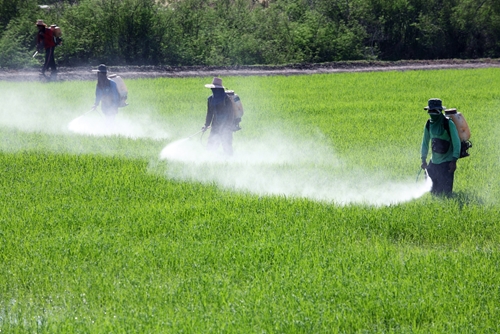
Pesticide use around the home can be a safe and effective way to control insect populations, weeds and other nuisances. It's all about taking the proper safety precautions and only using chemicals when needed. Pesticides can be harmful to children, pets and even some plants, so you always have to be careful when spraying. Read on to learn four tips on proper pesticide use around the home.
1. Read the label
The first thing you should always do before using any chemical product is read the label. It's simple, quick and can save you a lot of trouble later on. So, before you even take the cap off the bottle or pour the solution into your sprayer, taken the time to read the label. Check out the manufacturer's warnings and recommended uses. Only use the pesticide according to the directions on the label. Anything else could be dangerous.
2. Store pesticides properly
The University of Nevada warned that pesticides can leak or spill if stored improperly. Again, you should check the label to see if there are any special requirements for the chemical you're using. Chemicals that spill into soil can cause major health hazards for local residents and animals. As such, any spills should be taken care of immediately – major spills may require a professional. Similarly, if you notice that any of your stored chemicals are outdated, you should take them to the proper facility for disposal.
3. Keep children and pets away
If you're spraying pesticides on your lawn, the first step you should take is to remove all children, pets and their toys. According to the U.S. Environmental Protection Agency, animals and children are more susceptible to the dangers of chemicals than adults. If any toys do come into contact with the chemicals, it's best to toss them out and replace them.
4. Watch your containers
The EPA also noted that you should always close your pesticide containers when not in use. If you're not looking, a child may accidentally come into contact with the chemical. For instance, if you are pouring a chemical into a sprayer, close and store the original container before moving around the yard to spray. Likewise, you should never transfer chemicals to an unlabeled container for storage.
As a reminder, always treat pesticides with respect and only use them according to their labels.