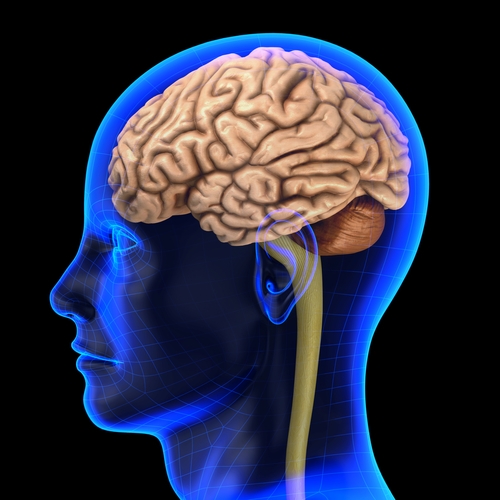
Between 4 and 6 million people around the world are living with Parkinson's disease, as estimated by the National Parkinson Foundation. In the U.S. alone, between 50,000 and 60,000 new cases of the illness are diagnosed every year. Between the uncontrollable muscle movements and the psychiatric toll that the disease takes on patients, individuals may find it difficult to function the same way in everyday life as they did before their diagnoses. Furthermore, currently available remedies can only treat the symptoms and cannot cure the disease. Ultimately, it is the 14th leading cause of death in the U.S.
Various researchers are interested in the risk factors tied to the development of Parkinson's disease. One team of scientists from the University of California, Los Angeles, suggested that various pesticides may increase the incidence of Parkinson's disease among people who carry a certain genetic variant, as published in the journal Neurology.
Pesticides 'can be found on our food supply'
In a previous study, the UCLA authors linked the fungicide benomyl to Parkinson's disease. According to the U.S. Environmental Protection Agency, benomyl was first registered for use in the country in 1969. It was applied to various crops, including apples, pineapples, citrus fruits, pears, stone fruits, brassica vegetables, nuts, sugarcane, strawberries, flowers, shade trees and other plants.
However, over time, researchers discovered various detrimental health effects resulting from benomyl exposure, including evidence of toxicity to the liver, testicles and developing fetus. As of Jan. 15, 2002, all commercial registrations for benomyl were canceled in the U.S., with sales of the preexisting stock ending in 2003.
In January 2013, the UCLA researchers published a paper suggesting that benomyl prevented the enzyme aldehyde dehydrogenase from converting naturally occurring brain toxins known as aldehydes into less toxic compounds. Without this process, dopaminergic neurons in the brain die, and Parkinson's disease will develop.
For the current study, the same scientists decided to investigate the possible links between the neurological disorder and several other pesticides. To do this, they compared 360 Parkinson's disease patients from three agricultural California counties to 816 people who came from the same region and did not have the condition. This data was matched against descriptions of ambient pesticide exposure, as contained in the California Department of Pesticide Regulation.
Results showed that the risk of Parkinson's disease increased because of 11 pesticides that had effects similar to those of benomyl, including:
- Maneb
- Ziram
- Triflumizole
- Captan
- Folpet
- Dieldrin
Furthermore, the researchers discovered that exposure to these pesticides increased the risk of Parkinson's disease two to six times among individuals who carried a certain variant in the ALDH2, compared to those who did not have this variant. However, the genetic variant alone is not enough to cause Parkinson's disease.
"We were very surprised that so many pesticides inhibited ALDH and at quite low concentrations – concentrations that were way below what was needed for the pesticides to do their job," Jeff Bronstein, a professor of neurology and director of the movement disorders program at UCLA, said in a statement. "These pesticides are pretty ubiquitous and can be found on our food supply. They are used in parks and golf courses and in pest control inside buildings and homes. So this significantly broadens the number of people at risk."
Bronstein and his colleagues suggested that it may be valuable for scientists to develop treatments that promote the actions of the enzyme ALDH or neutralize the effects of aldehydes in the brain. Such approaches may be especially useful among people exposed to pesticides in food and other sources.
What is it like to have Parkinson's disease?
People who have Parkinson's disease experience a degradation of nerve cells that produce dopamine, which is a neurotransmitter that helps regulate body movements and emotions. Symptoms of this condition include uncontrollable shaking when at rest, unusually slow movements, stiffness in the limbs or trunk, and difficulty maintaining balance. Over time, patients may have trouble blinking, swallowing, writing, speaking or making facial expressions. A significant number of people also battle depression, anxiety, sleeping problems and psychosis.
Currently, most treatments are geared toward controlling symptoms and delaying the progression of the disease. These may include dopaminergic drugs, deep brain stimulation and various exercises.