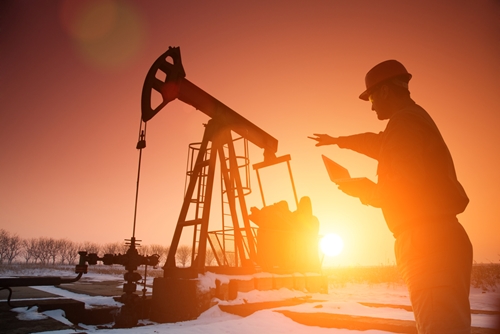
The U.S. Environmental Protection Agency recently released a report of more than 700 chemicals used in the hydraulic fracturing or fracking. These processes use water along with chemicals to create cracks in the ground that release oil and gas that wouldn't easily be accessible to drillers through traditional means.
The website has more than two years of data including specific chemicals used in the practice. It is called the FracFocus Chemical Disclosure Registry 1.0 and is provided by the Ground Water Protection Council and the Interstate Oil and Gas Compact Commission.
Shedding light on industry practices
Although nearly 700 chemicals were listed in the fracking process, they only make up about 1 percent of the solution, according to the report. About 88 percent is normal water, 10 percent quartz and the rest are chemicals. The report used information it gathered from a number of people in various states across the U.S. Although about 700 chemicals are listed, the median number of added chemicals was about 14 per fracking fluid.
The most commonly used chemicals in a fracking solution were hydrochloric acid, methanol, and hydrotreated light petroleum distillates. However, a small number of other chemicals used in the process were not released because of business protection exemption.
Companies have previously volunteered some of their chemical information in databases like FracFocus, such as Baker Hughes. This new information is much more comprehensive however and provides a better picture of the process and industry as a whole rather than a single firm.
The important role of chemicals in fracking
While there are so many chemicals used in fracking fluid, they all have different roles, FracFocus explained. Among the most common chemicals, like the three found in 65 percent of all drilling solutions – hydrochloric acid, methanol, and hydrotreated light petroleum distillates – each can have a different job.
Hydrochloric acid, HCl, actually eats away at the minerals in the ground that are keeping the oil or gas there. This helps start the fissuring process that eventually leads to fuel extraction.

On the other hand, methanol, CH3OH, also know as wood alcohol, helps stabilize the fracking fluid. It also serves to winterize it, allowing for cold weather drilling. Ethylene glycol is used for similar functions. Both are used for several aspects of the fluid including friction reduction, gelling and crosslinking.
Hydrotreated light petroleum distillates and other petroleum distillates are used as carrier fluids for other chemicals in the fracking fluid. Made from oil itself, these substances are commonly used in a number of pesticides as well as consumer goods like paint, according to the National Institutes of Health.
The reason there are so many types of chemicals used in fracking fluid is for the number of purposes needed. Chemicals such as lauryl sulfate, ethanol, naphthalene and isopropyl alcohol are all used in the surfactants. Acetic acid, sodium carbonate, potassium carbonate and sodium hydroxide can be pH adjusters, FracFocus explained.
Chemicals are also used to control iron, prevent emulsification, inhibit corrosion, stabilize clay in the soil, kill bacteria, reduce friction and help breakdown the earth it's injected into.