Most people know that pesticides can be dangerous if handled improperly. If people do not use the correct amount, spray too much or they don't wear the right clothing, they put themselves at risk for getting sick or even going to the hospital. However, even if you do follow the proper safety protocol for using pesticides, what are you supposed to do with them when you're done? Is there a right and a wrong way to dispose of pesticides, or can you simply throw them in the trash and be done with it? The answer is more complicated than you think. Consider these tips on how to safely dispose of pesticides.
What not to do
Many homeowners and even farmers might not know how to properly get rid of pesticides, so they'll just pour them down the sink drain. That should be fine, right? Wrong. Getting rid of pesticides is much harder than it seems. Pouring these chemicals down the drain can potentially harm your septic system as well as your entire municipality's water-treatment facilities, which you definitely don't want to do. Even if you're handling a less toxic pesticide, you don't want to take a risk by disposing of it in a sink drain or toilet.
What you should do
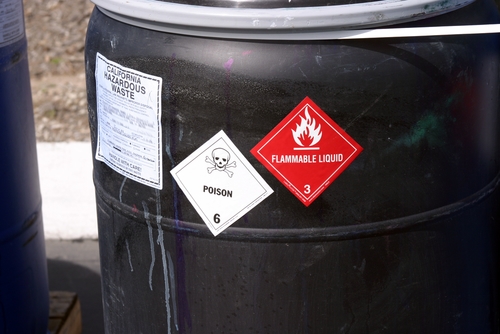
If you have leftover pesticide concentrate, you can either continue to dilute it with water and apply it to other crops and plants, or you can choose to bring it to a hazardous-waste collection site. These sites know how to properly get rid of these harmful chemicals without letting them get into water systems and other public facilities.
If you have an empty container of pesticide, don't immediately throw it in the trash. Most of the time, there will be a good amount of pesticide residue left over in the container. It's important that you thoroughly rinse this container and the spray nozzle out with water before throwing it in the trash. One way to do this is by filling the container with water, and then spraying out the water through the hose and sprayer to ensure that both are fully rinsed. Spray this watered down mixture on the same areas as before, such as crops and plants. Don't spray it on one random patch of land where young children and pets could get into it.
Read the label
Every pesticide is different and may have different toxicity levels over time. That's why it's important for all homeowners to fully read the label when using the product as well as when they are disposing of it. Usually the label will have instructions for how people should dispose of the product depending on its strength and how old it is. Some may advise that you simply bring it to a hazardous waste site, especially if it's strong, while others might advise that you properly rinse the container out and then throw it in the trash. Regardless of how you dispose of it, make sure to wear gloves and other protective clothing to prevent being harmed by the chemicals.