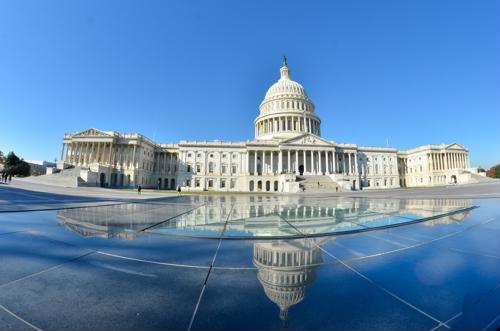
Members of Congress have spent much of the last two months working to draft and pass laws intended to help ease the various burdens caused by the new coronavirus pandemic. While controversy and partisan disputes were not completely absent from these sessions, the virus (and its respiratory disease COVID-19) represents a threat to all Americans – and the global population – and lawmakers of all parties have generally acted with that fact in mind.
This type of bipartisan cooperation was recently present in an effort by more than 80 members of the House of Representatives to add regulations limiting use of per- and polyfluoroalkyl chemical compounds into the next coronavirus stimulus bill. However, according to The Hill, the chances of such guidelines making their way into law are quite uncertain.
Anti-PFAS effort connected to bill from January
In January 2020, before the general public (and numerous government officials) considered the coronavirus much of a threat, many within the House were focused on significantly minimizing the commercial use of PFAS, which have been scientifically linked to an increased risk of cancer and unhealthy childhood development. While a separate report from The Hill noted that the PFAS Action Act passed with a large enough majority (246-159) not to be written off as a strictly partisan measure by the Democrat-controlled House, but it could not advance further due to resistance from the Senate and White House.
Attempt to protect water supplies
This most recent effort, led by New Hampshire representative Chris Pappas and undersigned by over 80 of his colleagues from both parties, were not identical to the stalled bill but cites some of its provisions as potential methods of mitigating the hazards PFAS can pose. Specifically, the lawmakers mentioned provisions to limit the use of PFAS in chemical plants and textile mills, require pre-treatment of PFAS-contaminated waste, prohibit unannounced dumping of such waste and allocate grant money for public-works agencies to implement PFAS pre-treatment protocols.
Pappas' letter to the House's Transportation and Infrastructure Committee – which would be responsible for initiating coronavirus-related infrastructure stimulus legislation – stressed the urgent need to protect communities' drinking water supplies from contamination as they begin to recover from the pandemic.
"As you look at addressing water infrastructure as part of any future package, we urge you to include provisions of H.R. 535 to restrict industrial releases of PFAS," the letter stated. "As we emerge from this crisis, we must ensure that communities can focus their resources where they are needed most. These provisions will hold those who discharge PFAS responsible … and ensure that communities are not left to clean up pollution they did not cause."
Chances of adoption
Pappas' letter went out April 28, so it is far too early to tell whether it has had any impact on its recipients (or others in the House). The Hill noted that the recent passage of a bipartisan Senate bill aimed at protecting water infrastructure from PFAS contamination might make some view the Pappas proposals as superfluous, while others may be too opposed to the PFAS Action Act to consider any aspects of it.
Nevertheless, there is no doubt that the issues of PFAS chemicals remain on lawmakers' minds as they continue to work on pandemic recovery measures.