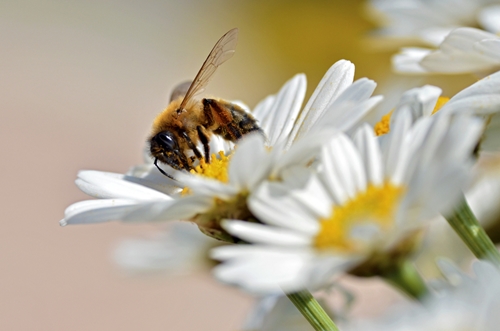
Bumblebees may be answer to pesticide issues
Bumblebees may help the current diminishing population of plants caused by the pesticide industry.

Bumblebees may help the current diminishing population of plants caused by the pesticide industry.

A new rule mandated by the Environmental Protection Agency may help protect farmers when they use pesticides. The new rule may promote pesticide safety instead of banning pesticide use all together.
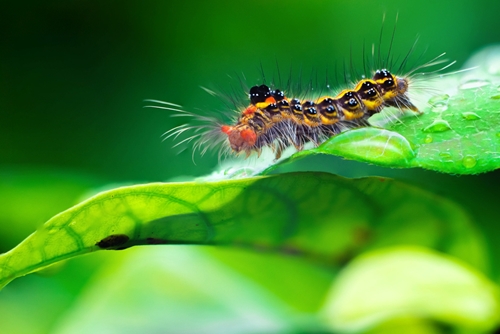
Caterpillar frass, better known as caterpillar poop, may be the latest organic pesticide on the block to help defend fungi and pathogens from attacking plants.

A California-based group has started a campaign known as “Apply Responsibly”, which is encouraging gardeners to pick up those bottles of pesticides again. Their argument? Pesticides are only harmful when they are used incorrectly.

Some types of pesticides are being criticized for their impact on the environment and on various organisms. The pesticide currently under fire is neonicotinoid, which is being blamed for the demise of bees. Luckily, nanoparticles may be able to change all that.
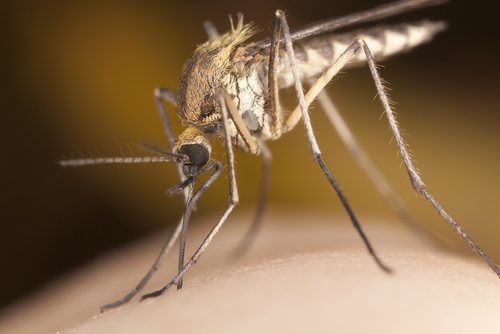
It can be hard to protect yourself all the time from the ever-present mosquito. Luckily, pesticides may be able to help.

Farmers are easily discouraged when a large set of crops are ruined by voracious pests. Just take the potato plant that is destroyed by thousands of hungry potato beetles every year. Now, pesticides may be able to prevent this destruction.

A few years ago the European Union took a bold step in trying to protect its honeybee population – banning neonicotinoids for farming.

Zequanox, a reduced-risk aquatic pesticide, is being sold to kill zebra and quagga mussels.

California experienced a severe drought earlier this year and several times in the recent past.

Sign up for our newsletter to stay in touch about latest news, specials, new products and more.

660 Tower Lane, PO Box 599 West Chester, PA 19381
(800) 452-9994
(610) 692-3026
(610) 692-8729 fax