As in any other ecosystem, the health of the rainforest depends on a delicate balance among its inhabitants. When it comes to the food chain, keystone species are in charge of controlling the population of animals upon which they prey, according to the Rainforest Alliance. Without these keystone species, the balance of life and resources within this ecosystem becomes upset.
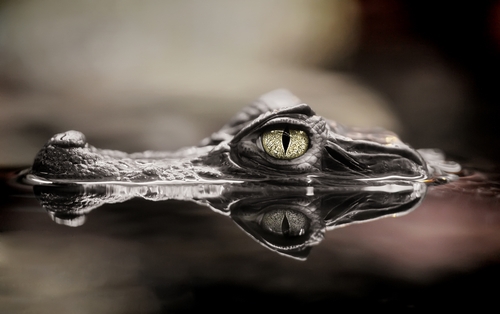
One example of a keystone species in the rainforest is the spectacled caiman crocodile, which eats a wide range of animals that include fish, crustaceans and mammals, such as wild pigs. In Costa Rica, the Tortuguero Conservation Area is a nature preserve that provides a safe space for plants and animals to thrive. However, rivers and streams that feed into the preserve may carry pollutants and poisons, including pesticides, that threaten life in the ecosystem.
One team of scientists from Stellenbosch University in South Africa observed that spectacled caiman in the preserve carry high levels of nine pesticides in their bodies, as published in the journal Environmental Toxicology and Chemistry. Surrounding banana plantations are the likely culprit.
Research justifies more regulatory infrastructure
According to the authors of the new study, 10 percent of the global banana supply comes from Costa Rica. Because of the importance of this crop to the economy, the use of pesticides in Costa Rica doubled during the past two decades. Currently, the nation ranks second in the world in terms of pesticide use intensity.
To estimate the impact of these trends on spectacled caiman, the researchers collected blood samples from 14 of the reptiles and analyzed them for the presence of 70 types of pesticides. Compared to crocodiles found outside the conservation area, caiman from the Tortuguero carried higher traces of nine pesticides. These substances can easily end up in the Tortuguero preserve as part of the runoff from farms when it rains.
In descending order, these chemical compounds were:
- Dieldrin
- Permethrin
- Mirex
- 4,4′-DDE
- Alpha-endosulfan
- Heptachlor epoxide
- Oxychlordane
- Heptachlor
- Cypermethrin
Seven of these pesticides were actually banned by the 2011 Stockholm Convention. According to the U.S. Environmental Protection Agency, dieldrin was an insecticide that was widely used in the U.S. between 1950 and 1974. It was applied to corn, cotton and citrus crops. Eventually, the use of dieldrin was banned in the U.S. because of studies that indicated it had negative effects on the health of humans. Specifically, dieldrin was linked to weakened immune systems, reduced reproductive success, birth defects, kidney damage and cancer.
The EPA also noted that dieldrin does not break down easily and tends to bioaccumulate up the food chain. This is why dieldrin and various pesticides can be dangerous for spectacled caiman and other keystone species.
"Caiman and other aquatic species have been exposed to pesticides from upstream banana plantations, even in remote areas of a national wilderness area," study author Paul Grant said in a statement. "Banana plantations may be economically important to Costa Rica; however their erosion of aquatic ecosystems highlights the need for a developed regulatory infrastructure and adequate enforcement."