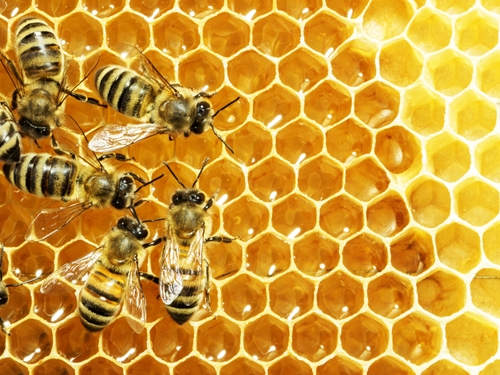
As far as humans are concerned, bees are one of the most important insects. Though they aren't the only type of bug that pollinates plants, they are one of the most common. Bees ensure that plants produce fruits and vegetables. Without them, whole industries would die and many would be without a source of food. However, pesticides meant to rid crops of other harmful insects are having an adverse effect on bee populations around the world. Here's what can be done to protect these helpful insects:
Colony Collapse Disorder
When a large number of bee colonies disappear, it's known as Colony Collapse Disorder. According to the Environmental Protection Agency, CCD was first identified during the winter of 2006-2007. It is characterized by a sudden drop in worker bees while the queen and brood remain in the hive. However, without the workers, the hive soon collapses.
In addition to increased pesticide use, other causes of CCD may be lack of foraging ground, parasites, invasive mites and stress caused by colony transportation. Exposure to pesticides can also augment these other factors.
Limiting and preventing pesticide exposure
According to the University of Purdue, exposure to pesticides can be limited by increasing communication between farmers and beekeepers. Growers should notify all beekeepers the evening before they spray their crops with chemical pesticides. Also, applying pesticides in the evening or at night – after bees are done foraging for the day – may prevent CCD. The university suggested that all farmers be aware of local beekeepers and keep a list of their contact information on hand so that they can notify them of spraying schedules. This benefits both the beekeepers and the farmers because it keeps the colonies alive.
Farmers should also consider alternatives to pesticides or use formulas targeted toward specific plants and insects. Broad spectrum pesticides can eliminate a number of species that are actually beneficial to crop growth. Using targeted methods can limit this negative effect and organic solutions can have even more benefits.
Reporting problems
One way individuals can help bees is to report problems with colonies, such as increased instances of CCD. The EPA accepts incident reports online, or they can be made to the local agricultural society.
Bees keep plants healthy and productive, which in turn keeps people fed. Protecting bees from pesticides should be a priority for all farmers.