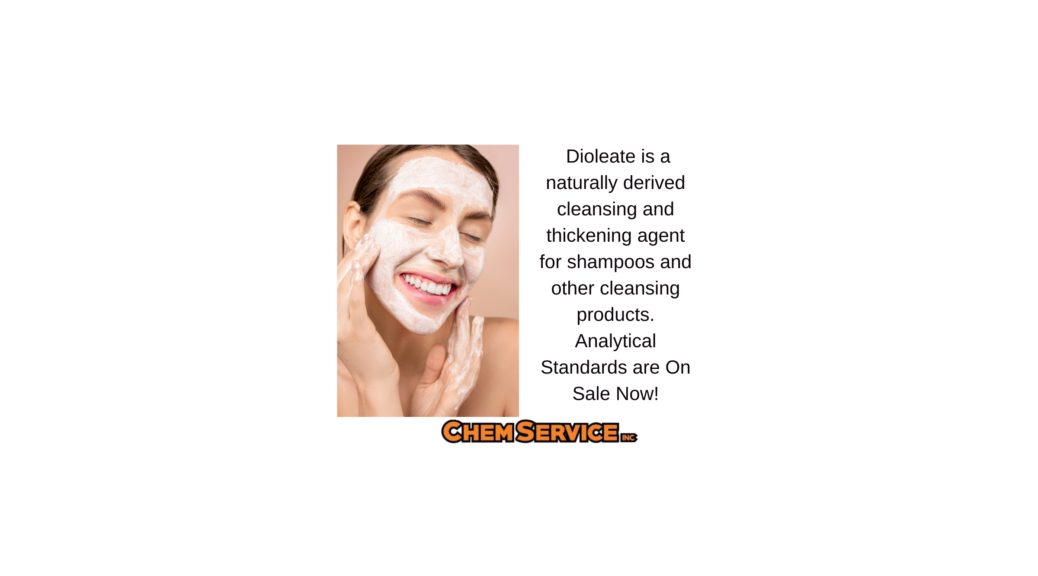
Some of the most common products we use today include PEG 120 Methyl Dioleate, such as certain shampoos, conditioners, facial cleansers, shower gels, and hand soaps. It is created in a lab by the acid acid-catalyzed reaction of glucose with methanol and is utilized for its emulsion and surfactant properties that has minimal absorption into the skin due to its high molecular weight.
Is PEG 120 Methyl Dioleate Safe?
This cleansing agent is approved for use by the U.S. Food and Drug Administration (FDA) and Cosmetic Ingredient Review (CIR) on unbroken skin as it is considered a non-irritant with no known risk. It also has the ability to reduce the irritation levels of a whole formula.
What does PEG 120 Methyl Glucose Dioleate do in Shampoo?
PEG 120 methyl glucose dioleate is used as a thickener and stabilizer in hair care products like shampoo as it essentially helps to dissolve oil or grease on the skin. Due to its thickening property PEG 120 methyl glucose dioleate is known to be an effective nonionic thickener for hair care products. It additionally provides moisture retention which can improve the skin-feel of surfactant-based products.
Is PEG 120 Methyl Glucose Dioleate Good for Skin and Hair?
Though PEG 120 methyl glucose dioleate has some positive benefits, it is also used in spray-on oven cleaners to dissolve oil and grease. These petroleum-derived compounds can reduce your skin’s natural moisture. This can increase the appearance of aging and leave your skin and hair vulnerable to harmful bacteria.
Is Methyl Glucose Dioleate the Same as Methanol?
Methyl Glucose Dioleate and methanol can achieve the similar result of degreasing the skin or hair but have very different general purposes. While methyl glucose dioleate is used within every cleaning and hygiene products, methanol is used in adhesives, pharmaceuticals, and agrichemicals. Methanol can cause light to severe reactions ranging from headaches and conjunctivitis to blindness, birth defects and death.
How to Test for Dioleate
There are many different types of dioleate mixtures and solutions, and each one has unique testing methods, including laser light-scattering, use of a rotational viscometer, and use of a centrifuge.
Using Chem Service Analytical Testing Methods for Dioleate
With high analytical standards, Chem Service can help clients identify dioleate levels in everyday products to avoid any unwanted side effects. Our seasoned staff is ready to help you choose exactly which dioleate testing solution is best for your needs. Contact us today!
Sources:
- “Ewg Skin Deep®: What Is Peg-120 Methyl Glucose Dioleate.” EWG, www.ewg.org/skindeep/ingredients/704512-PEG120_METHYL_GLUCOSE_DIOLEATE-PEG120_METHYL_GLUCOSE_DIOLEATE/.
- Chelsea. “Peg-120 Methyl Glucose DIOLEATE and Pregnancy.” Motherfigure, motherfigure.com/pregnancy-safe-skincare/peg-120-methyl-glucose-dioleate/.
- “PEG 120 Methyl Glucose Dioleate.” Ataman Kimya, www.atamanchemicals.com/peg-120-methyl-glucose-dioleate_u24097/.
- “PEG 120 Methyl Glucose Dioleate.” Honest Reviews of Anti-Aging Skin Care and Beauty Products, www.truthinaging.com/ingredients/peg-120-methyl-glucose-dioleate.
- “Skin Nourishment or Poison?” Putting the Pieces Together, www.ppt-health.com/skin-health/skin-nourishment-or-poison/.
- “The Many Uses of Methanol from Clothing TO Fuel: Products and Technology Highlights: Innovation.” Mitsubishi Gas Chemical Company, Inc., www.mgc.co.jp/eng/rd/technology/methanol.html.